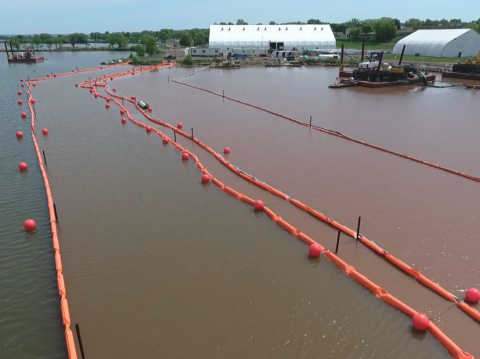
In marine construction and dredging projects, managing sediment is not just a technical challenge—it is an environmental necessity. When soil is disturbed underwater, it creates turbidity (cloudiness) that can damage aquatic ecosystems and violate environmental regulations.
This is where the silt curtain comes in.
Also commonly known as a turbidity curtain or silt barrier, this device is the industry standard for sediment control in water bodies. Whether you are managing a dredging operation or repairing a bridge, understanding how to select and deploy the right silt curtain is crucial for project success.
In this guide, we will explain exactly what a silt curtain is, the different types available, and why they are essential for your next marine project.
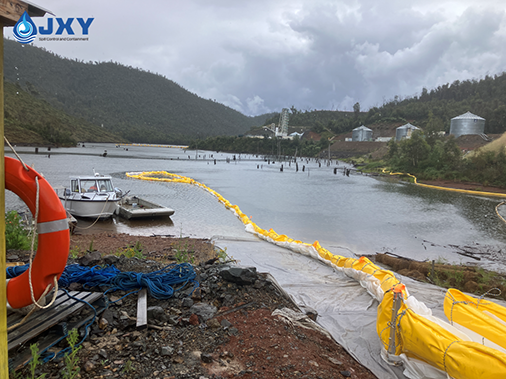
A silt curtain is a temporary floating barrier designed to contain sediment and prevent it from spreading into the surrounding water body.
Think of it as a flexible, floating wall. It isolates the construction work area (the "dirty" zone) from the rest of the clean water. While the curtain allows water to flow through its permeable fabric, it blocks silt, sand, and sediment particles, allowing them to settle to the bottom within the contained area.
Silt curtains are versatile and are used in almost any scenario where construction meets water. The primary goal is always sediment control.
Dredging Operations: This is the most common use. Curtains surround the dredge site to prevent the sediment plume from traveling downstream.
Marine Construction: Used during the building of jetties, piers, sea walls, and bridges.
Shoreline Restoration: Preventing soil erosion from entering the water during bank stabilization projects.
Stormwater Management: Controlling runoff from land-based construction sites near waterways.
Environmental Remediation: Containing contaminated sediments during cleanup operations.
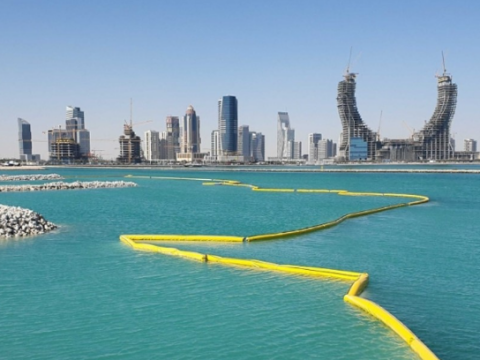
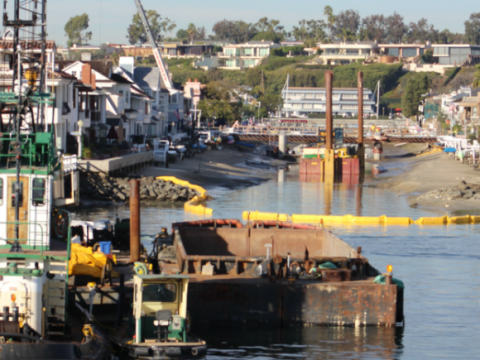
Not all water conditions are the same. Therefore, silt curtains are categorized into three distinct types based on the water's velocity and wave activity.
Type I silt curtains are lightweight and designed for protected areas with no current and minimal wind/wave action.
Best for: Small ponds, small lakes, and calm canals.
Components: usually utilize standard connection hardware and lighter PVC fabric.
Type II silt curtains are the intermediate choice. They are built for areas with slow to moderate currents (up to 2 knots) and light wind/wave activity.
Best for: Rivers, streams, and lakes with boat traffic.
Key Feature: These often include load-bearing cables and special connectors to handle the stress of moving water.
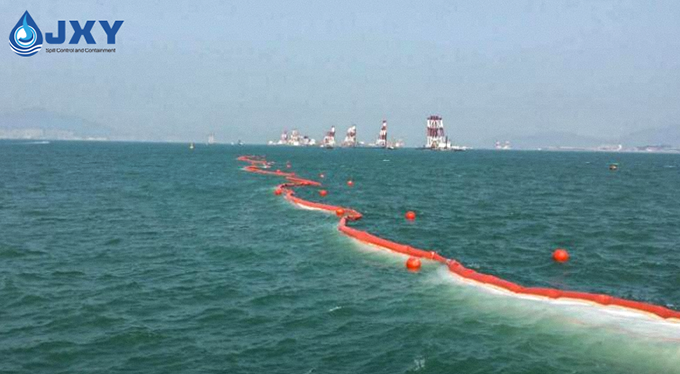
Type III silt curtains are heavy-duty barriers designed for harsh environments with fast currents (up to 3 knots or more) and significant wave action.
Best for: Oceans, tidal inlets, harbors, and fast-flowing rivers.
Key Feature: Reinforced with heavy-duty webbing, stress plates, and high-strength connectors to prevent structural failure.
| Feature | Type I (Calm) | Type II (Moving) | Type III (Fast/Tidal) |
| Water Condition | Still water, protected areas | Moving water, light waves | Fast current, tidal, waves |
| Max Current | 0 Knots | Up to 2 Knots | Up to 3+ Knots |
| Typical Use | Ponds, small lakes | Rivers, canals | Oceans, harbors |
| Durability | Light Duty | Medium Duty | Heavy Duty |
Why should project managers invest in high-quality turbidity curtains?
Regulatory bodies (such as the EPA in the US or local environmental agencies) have strict limits on water turbidity. Silt curtains help you stay within legal limits, avoiding costly fines and project shutdowns.
Excessive sediment blocks sunlight, which kills aquatic plants. It can also clog fish gills and bury fish eggs. Silt curtains protect local marine life by confining the impact zone.
Compared to the cost of environmental cleanup or legal fees, installing a silt curtain is a highly cost-effective preventative measure.
A silt curtain is more than just a piece of plastic fabric; it is a critical tool for responsible marine construction. By choosing the correct type—Type I for ponds, Type II for rivers, or Type III for oceans—you ensure that your project proceeds smoothly, legally, and sustainably.
Whether you are dredging a harbor or repairing a shoreline, the right turbidity barrier ensures the water remains clear and your project remains compliant.
JXY offers a wide range of heavy-duty turbidity barriers tailored to your specific site conditions. Contact us today for a free consultation and quote.