

Oil spill response planning for LNG terminal projects often focuses on long-term operations and regulatory compliance.
For a comprehensive overview of what oil spill response equipment is required throughout the entire LNG terminal lifecycle, you may also refer to Oil Spill Response Solutions for LNG Terminal Projects: What Equipment Is Really Required?
However, the construction phase presents a very different set of spill risks — and many of them are frequently underestimated or overlooked.
During construction, LNG terminals experience higher marine activity, temporary systems, and frequent equipment movement, making oil spill response readiness especially critical.
This article highlights what is often overlooked during LNG terminal construction, and how EPC contractors can better prepare for real-world spill scenarios.
Unlike the operational phase, LNG terminal construction involves:
Multiple subcontractors working simultaneously
Temporary fuel storage and refueling operations
Frequent mobilization and demobilization of vessels
Heavy reliance on hydraulic equipment
Changing work zones and access points
These factors significantly increase the likelihood of small but frequent oil spills, which can quickly escalate if not managed properly.
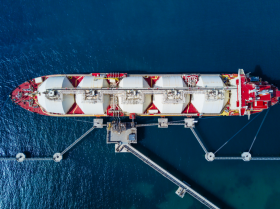
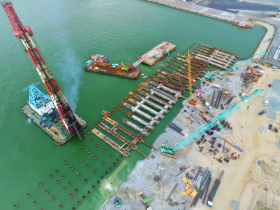
One of the most common spill sources during construction is temporary fueling.
Unlike permanent fuel systems, temporary setups often involve:
Portable tanks
Flexible hoses
Manual connections
Inconsistent spill protection measures
Without proper containment and absorbents nearby, minor leaks can quickly reach water surfaces, especially at jetty or barge locations.
What should be prepared:
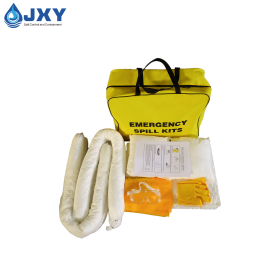
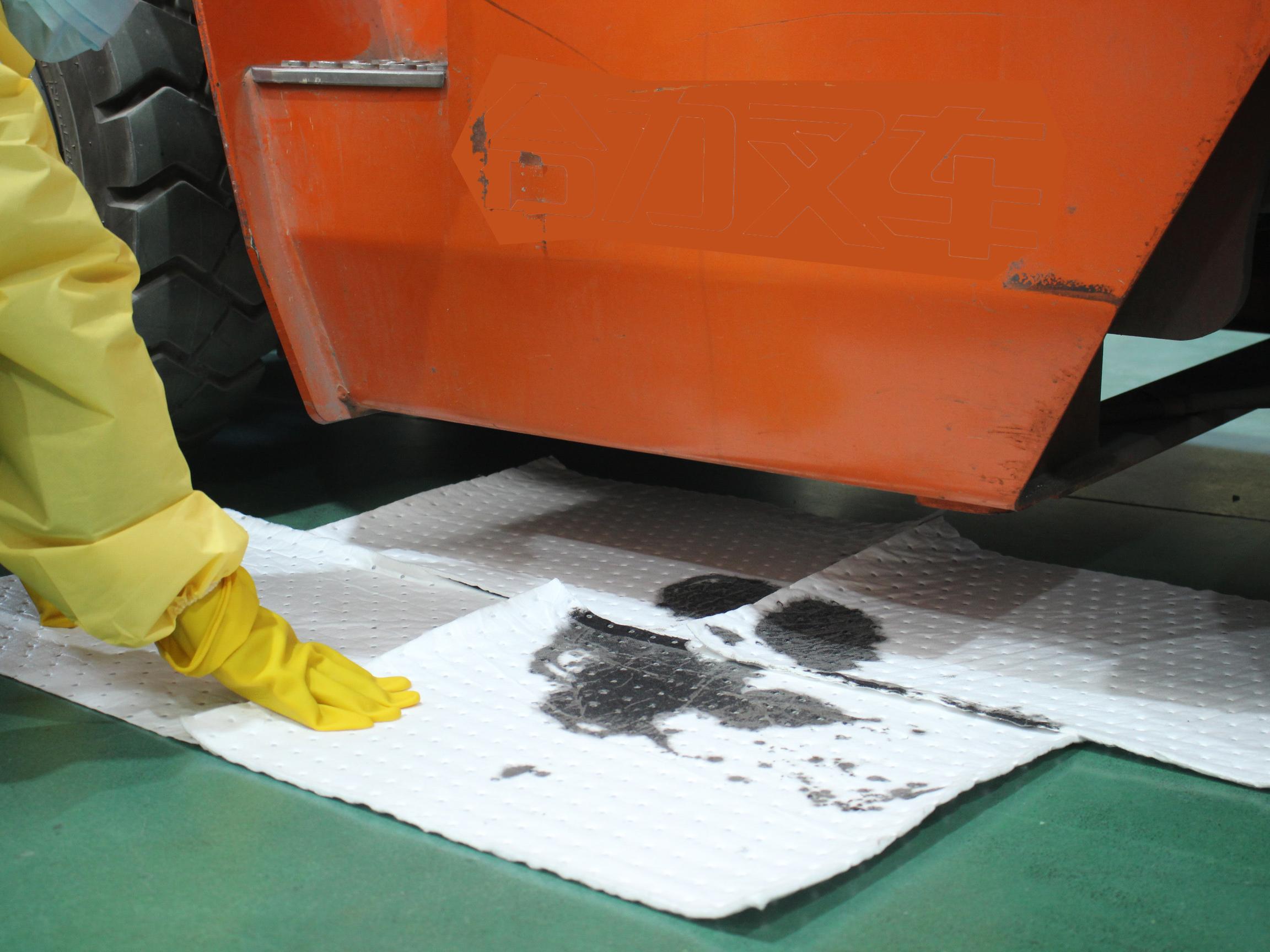
Absorbent pads and socks at fueling points
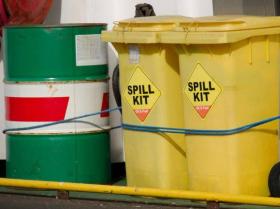
Portable spill kits within immediate reach
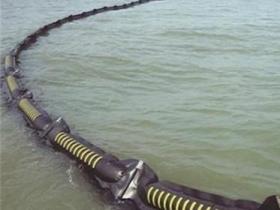
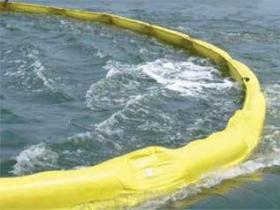
Absorbent booms ready for rapid deployment


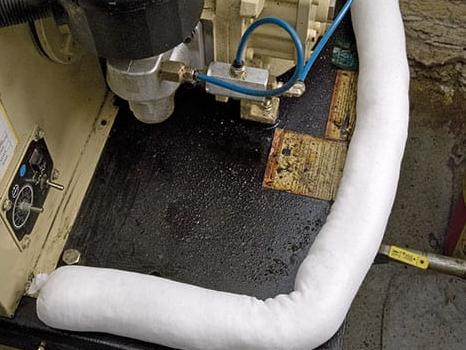
Cranes, winches, pile drivers, and dredging equipment rely heavily on hydraulic systems.
During intensive construction:
Hoses are frequently stressed
Connections loosen over time
Small leaks often go unnoticed
Hydraulic oil spills are rarely dramatic — but they are persistent and difficult to clean if not addressed immediately.
Effective response includes:
Oil-only absorbent socks around equipment bases
Absorbent pads for routine inspection and wiping
Spill kits stationed near crane and equipment zones
Many projects assume that oil containment booms are only needed for major incidents.
In reality, early deployment during construction can prevent minor spills from spreading.
Booms are often overlooked because:
They are stored offsite
Deployment is considered “too slow”
Responsibility is unclear between contractors
However, even temporary boom deployment during high-risk activities can significantly reduce environmental exposure.
Many of these overlooked issues arise because construction-phase spill response is handled by EPC contractors under tight schedules and changing site conditions.
For a deeper look into how EPC contractors evaluate and select oil spill response equipment, see
How EPC Contractors Select Oil Spill Response Equipment for LNG Terminals?
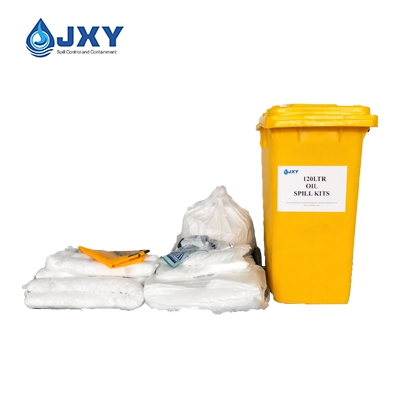
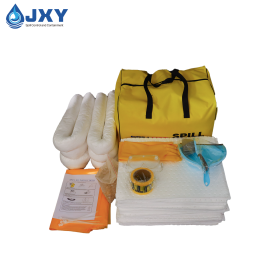
Another common issue is that spill kits exist — but are not where they are needed.
Typical problems include:
Kits stored too far from work areas
Incomplete or mismatched contents
Workers unfamiliar with kit usage
During construction, spill kits must be:
Close to high-risk zones
Clearly labeled
Easy to transport by hand or vehicle
Fast access can mean the difference between a controlled spill and an environmental incident.

As LNG terminal projects move toward completion, attention often shifts to commissioning and handover — leaving spill response equipment in a gray zone.
Common gaps include:
Temporary equipment removed too early
Permanent systems not yet fully commissioned
Responsibility shifts between EPC and operator
A well-planned spill response strategy should bridge construction and operation, ensuring continuous coverage.
Based on real project experience, effective construction-phase spill response planning should:
Address temporary and mobile risk sources
Combine containment, absorbents, and kits
Ensure equipment is deployable by construction crews
Adapt to changing site conditions
Remain active until full operational readiness
Oil spill response failures during LNG terminal construction are rarely caused by lack of equipment — they are caused by lack of planning for real-world conditions.
Recognizing and addressing overlooked risks during construction:
Reduces environmental exposure
Protects project schedules
Supports regulatory acceptance
Builds confidence for long-term operations
Contact us for construction-phase spill response solutions, temporary deployment planning, and project-specific equipment recommendations.


