

Oil absorbent booms are one of the most versatile and widely used tools in oil spill response.
To understand how oil absorbent booms fit into a complete oil spill response system for LNG terminal projects, you may also refer to Oil Spill Response Solutions for LNG Terminal Projects: What Equipment Is Really Required?
They are designed to contain and absorb oil simultaneously, making them especially effective for localized spills, marine interfaces, and industrial environments.
This article explains what oil absorbent booms are, where they are used, and how to select the right type for real-world spill scenarios.
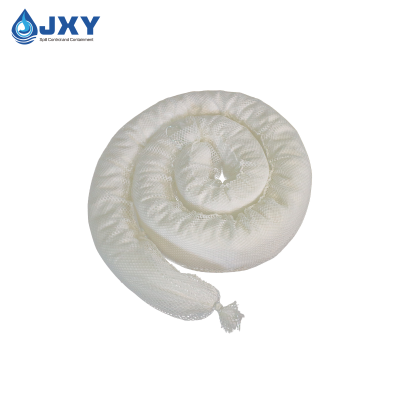
Oil absorbent booms are cylindrical or tubular absorbent products filled with oil-only absorbent material.
They are engineered to absorb hydrocarbons while repelling water, allowing them to float and perform effectively on water surfaces.
Unlike containment booms, absorbent booms:
Absorb oil directly
Do not require anchoring or complex deployment
Are ideal for quick response and secondary containment
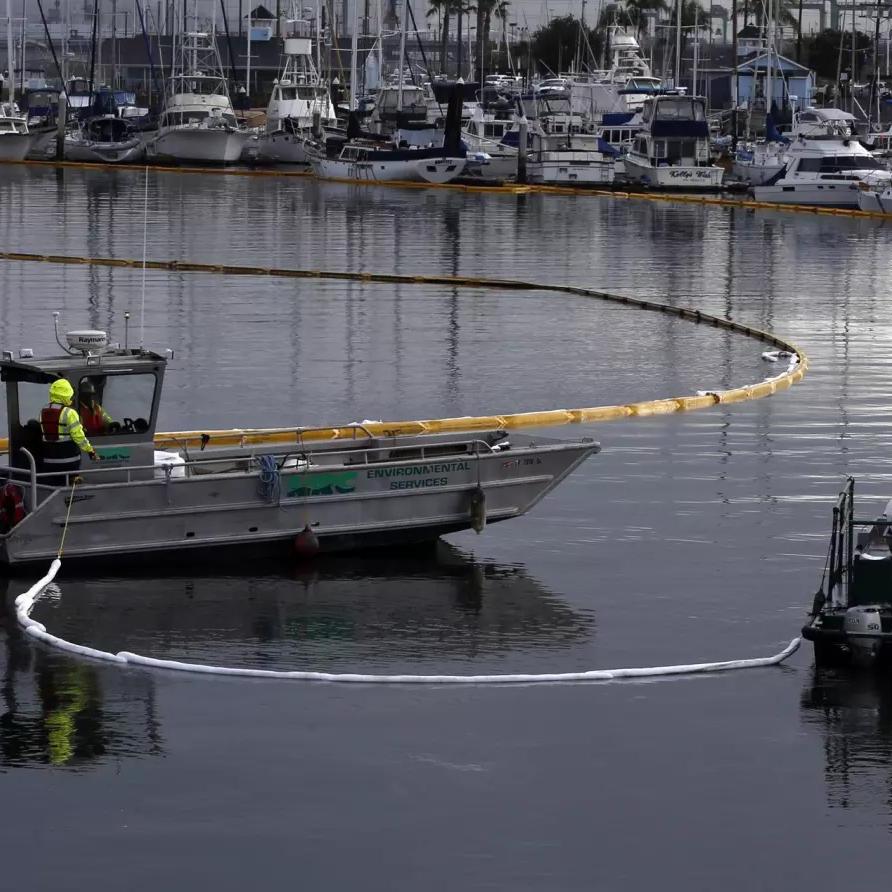

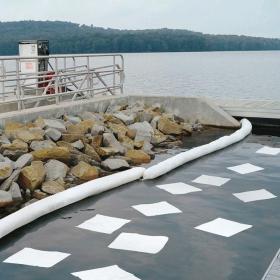
Oil absorbent booms are used across a wide range of industries due to their simplicity and effectiveness.
Marine and Port Areas
Around vessels during maintenance
Near jetties, docks, and berthing zones
For localized spill containment in calm waters
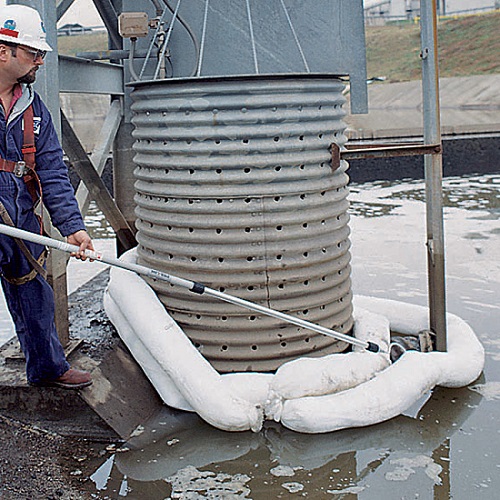
Industrial Facilities
Around machinery and equipment bases
Near fuel storage and transfer points
Along drainage channels and sumps
Construction and Temporary Works
LNG terminal construction sites
Temporary fueling areas
High-risk work zones near water
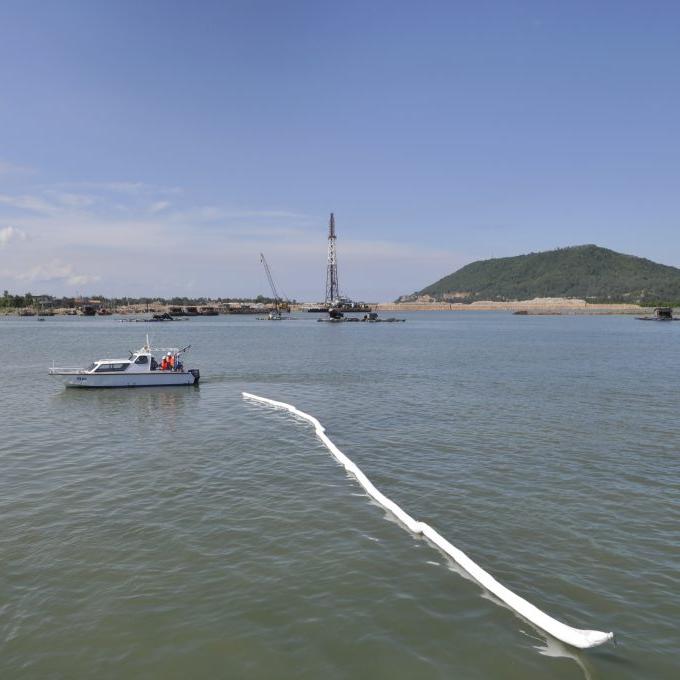
A common misunderstanding is that absorbent booms and containment booms are interchangeable.
In reality, they serve different but complementary purposes.
| Feature | Oil Absorbent Boom | Oil Containment Boom |
| Primary function | Absorb oil | Contain oil |
| Absorption | Yes | No |
| Deployment | Manual / immediate | Requires planning |
| Typical use | Small–medium spills | Spill spread control |

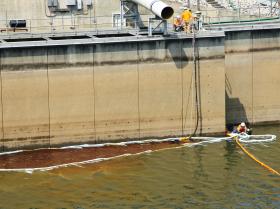
Selecting the right absorbent boom depends on spill conditions and site requirements, not just product size.
1. Diameter and Absorption Capacity
Larger diameter = higher absorption capacity
Common diameters range from 12 cm to 20 cm
2. Length and Connection Type
Typical lengths: 3 m and 6m
Ensure secure connectors for continuous deployment
3. Outer Material
UV-resistant spunbond polypropylene
Tear-resistant outer mesh for marine use
4. Application Environment
Calm water vs. industrial floors
Temporary vs. long-duration deployment
Oil absorbent booms are widely preferred because they:
Absorb oil without absorbing water
Are lightweight and easy to deploy
Reduce secondary contamination
Require minimal training
Help control spills before escalation
For EPC contractors and industrial operators, absorbent booms provide a cost-effective and flexible first-response solution.
Used absorbent booms should be:
Collected promptly after saturation
Disposed of according to local environmental regulations
Stored in sealed bags or containers
Proper storage and disposal planning is an essential part of spill response readiness, especially for regulated environments such as ports and LNG terminals.
Final Thoughts: A Simple Tool with Critical Impact
Oil absorbent booms may appear simple, but their role in oil spill response is critical.
When properly selected and deployed, they can prevent small spills from becoming major incidents.
For marine, industrial, and construction environments, oil absorbent booms remain one of the most practical and reliable spill response products available.
Need oil absorbent booms for industrial, marine, or construction spill response?
Contact us for product selection advice, customized specifications, and project-based supply solutions.


