

Engineering, Procurement, and Construction (EPC) contractors play a critical role in LNG terminal projects, not only in delivering complex infrastructure on time and on budget, but also in ensuring environmental compliance and risk control.
Among the many environmental responsibilities EPC contractors manage, oil spill response planning and equipment selection is a key requirement — especially for marine-facing LNG terminals.
This article explains how EPC contractors evaluate and select oil spill response equipment for LNG terminal projects, and what suppliers must understand to meet EPC expectations.
Unlike terminal operators, EPC contractors are responsible for design execution, temporary operations, and regulatory acceptance during the project lifecycle.
When selecting oil spill response equipment, EPC contractors typically focus on:
Compliance with environmental and HSE requirements
Suitability for construction-phase risks
Ease of deployment and logistics
Compatibility with marine construction activities
Clear technical documentation and traceability
In short, EPCs are not looking for “products only” — they are looking for solutions that fit the project workflow.
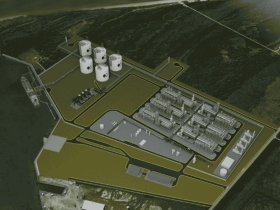

EPC contractors do not start by choosing absorbents or booms — they start with risk mapping.
Typical spill risk scenarios assessed include:
Fueling and refueling of construction vessels
Hydraulic oil leaks from cranes and winches
Diesel spills from generators and temporary tanks
Accidental releases during marine piling or dredging
Maintenance activities near waterlines
Each scenario defines what type of response equipment is required, where it must be placed, and how fast it must be deployed.
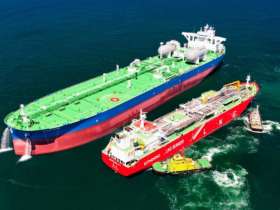
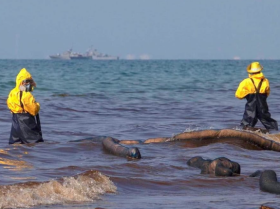
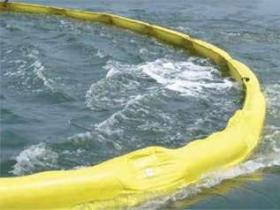
For LNG terminals with marine interfaces, oil containment booms are a mandatory element in most EPC spill response plans.
EPC contractors typically evaluate booms based on:
Water depth and tidal range
Current velocity and wave exposure
Required containment length
Temporary vs. long-term deployment
Ease of handling by construction crews
During construction, EPCs often prefer robust, easy-to-deploy boom systems that can be rapidly installed or removed without specialized vessels.
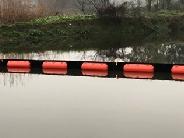
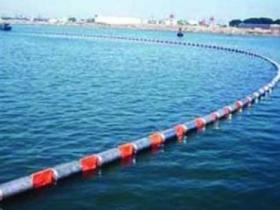
While booms protect the environment at a macro level, absorbents handle the daily realities of construction work.
EPC contractors typically specify:
Oil-only absorbent pads for wiping and surface spills
Absorbent socks around equipment bases and pipelines
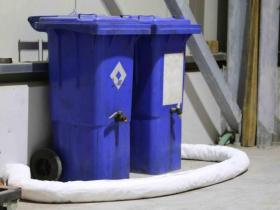
Absorbent booms for localized containment near water
Absorbent pillows for drip trays and confined areas
Oil-only absorbents are preferred because they do not absorb water, reducing waste volume and disposal costs.
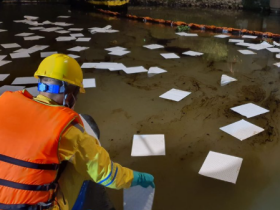
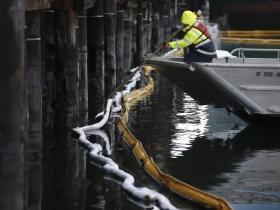
One of the most overlooked factors is that EPC contractors evaluate suppliers, not just equipment.
Key supplier criteria often include:
Ability to provide technical data and specifications
Experience with marine or LNG-related projects
Flexibility in kit configuration and packaging
Lead time reliability
Support for inspections and documentation
For EPCs, a supplier who understands project timelines and approval processes is often more valuable than the lowest-priced option.
EPC contractors must also consider what happens after project completion.
During construction:
Focus on mobility, speed, and adaptability
Temporary equipment and flexible deployment
Before handover:
Equipment must meet operator standards
Documentation, labeling, and storage become critical
Selecting spill response equipment that can transition from construction to operation reduces duplication and cost.
For LNG terminal projects, EPC contractors are not simply checking a compliance box.
They are looking for oil spill response solutions that:
Fit real construction scenarios
Can be deployed by non-specialist crews
Meet environmental and safety requirements
Align with project schedules and approvals
Suppliers who understand this mindset become project partners, not just vendors.
Supplying oil spill response equipment for LNG terminal EPC projects?
Contact us for project-based recommendations, customized spill kits, and marine spill response solutions aligned with EPC workflows and HSE requirements.


