

Oil spills can occur in a wide range of environments, from industrial facilities and fuel stations to ports, harbors, and offshore operations. While oil absorbents are commonly used for spill control, onshore oil absorbents and marine oil absorbents are designed for very different conditions.
Using the wrong type of oil absorbent can significantly reduce spill response efficiency, increase cleanup costs, and create additional environmental risks. Understanding the differences between onshore and marine oil absorbents is therefore essential for effective spill preparedness and response.
This article explains the key differences between onshore and marine oil absorbents, their typical applications, and how to choose the right solution for your spill scenario.
What Is an Onshore Oil Absorbent?
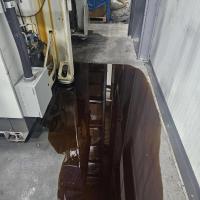
An onshore oil absorbent is designed for land-based and industrial spill environments where oil is spilled onto solid surfaces rather than water. These absorbents focus on rapid absorption, surface coverage, and ease of handling.
Onshore oil absorbents are typically manufactured from oil-only polypropylene materials that selectively absorb oil while repelling water. However, unlike marine oil absorbents, they do not require flotation or resistance to wave and current forces.
Common Types of Onshore Oil Absorbents
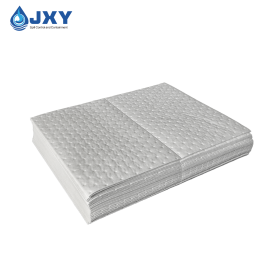
Oil Absorbent Pads – used for wiping, surface spills, and routine maintenance
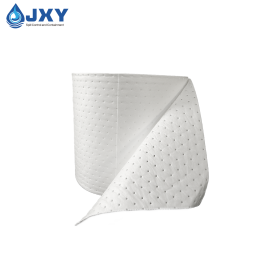
Oil Absorbent Rolls – ideal for covering large floor areas
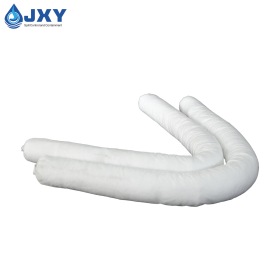
Oil Absorbent Socks – used to surround equipment, block drains, and contain spreading oil
Typical Onshore Applications
Onshore oil absorbents are widely used in:
Manufacturing plants
Power stations
Warehouses and workshops
Fuel stations and vehicle maintenance areas
Machinery and equipment maintenance zones
Their main purpose is to quickly absorb oil, reduce slip hazards, and prevent oil from entering drainage systems.




What Is a Marine Oil Absorbent?
A marine oil absorbent is specifically designed for oil spills that occur on the water surface. In these environments, flotation, stability, and resistance to water movement are critical performance requirements.
Marine oil absorbents must remain buoyant after absorbing oil and continue to perform in the presence of waves, currents, and wind. Like onshore absorbents, they are usually made from oil-only polypropylene materials, but they incorporate additional design features to ensure reliable performance on water.
Common Types of Marine Oil Absorbents
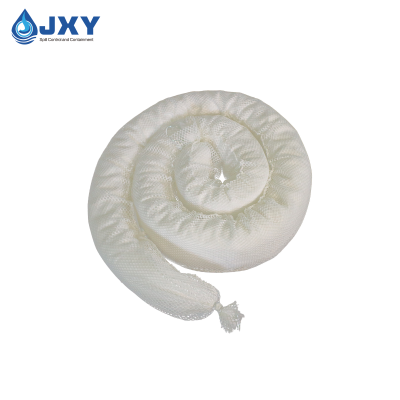
Floating Oil Absorbent Booms – combine containment and absorption
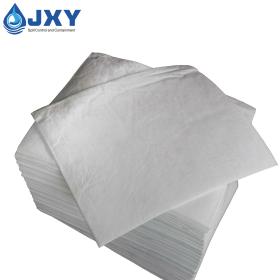
Marine Oil Absorbent Pads – used for localized recovery on the water surface
Typical Marine Applications
Marine oil absorbents are commonly used in:
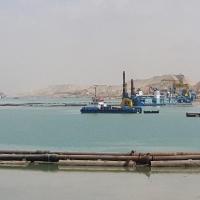
Ports and harbors
Offshore oil and gas operations
Dredging and marine construction projects
Coastal and nearshore spill response
Salvage and emergency response operations
In marine environments, oil absorbents play a critical role in preventing oil from spreading over large areas of water.




Key Differences Between Onshore and Marine Oil Absorbents
Understanding the fundamental differences between onshore and marine oil absorbents helps ensure the right product is selected for each spill scenario.
Factor | Onshore Oil Absorbent | Marine Oil Absorbent |
Operating Environment | Land and industrial surfaces | Water surface |
Floatation Requirement | Not required | Required |
Design Focus | Fast absorption, surface coverage | Buoyancy, stability, containment |
Typical Products | Pads, rolls, socks | Absorbent booms, floating pads |
Deployment Method | Manual placement | Floating, anchoring, towing |
Risk if Misused | Inefficient absorption | Sinking or loss of performance |
Using onshore oil absorbents in marine environments often results in poor performance, as they may become waterlogged and lose effectiveness. Similarly, marine oil absorbents are not always the most efficient solution for indoor or onshore applications.
Application Scenarios: When to Use Each Type
Onshore Oil Absorbent Applications
Onshore oil absorbents are best suited for scenarios where oil is spilled onto solid surfaces and needs to be absorbed quickly.
Typical situations include:
Oil leaks from machinery and pipelines
Floor spills in workshops and factories
Drip control in fuel handling areas
Routine equipment maintenance
Recommended product combinations often include oil absorbent pads for surface spills, socks for containment, and rolls for large-area coverage.
Marine Oil Absorbent Applications
Marine oil absorbents should be used whenever oil is floating on water or there is a risk of oil spreading across the water surface.
Typical situations include:
Fuel spills during vessel berthing
Oil leaks from ships and offshore facilities
Emergency spill response in ports and harbors
Coastal oil spill incidents
In these cases, floating oil absorbent booms are typically deployed first to contain and absorb the oil, followed by marine absorbent pads for final recovery.
Understanding the difference between onshore and marine oil absorbents is essential for effective oil spill response. Each type is designed for distinct environments and operating conditions, and they should not be used interchangeably.
By selecting the right oil absorbent based on spill location and application requirements, organizations can improve response efficiency, reduce environmental risks, and maintain compliance.
If you are unsure which oil absorbent solution is suitable for your application, please CONTACT US, professional guidance and scenario-based product selection can help ensure reliable spill response performance.


