

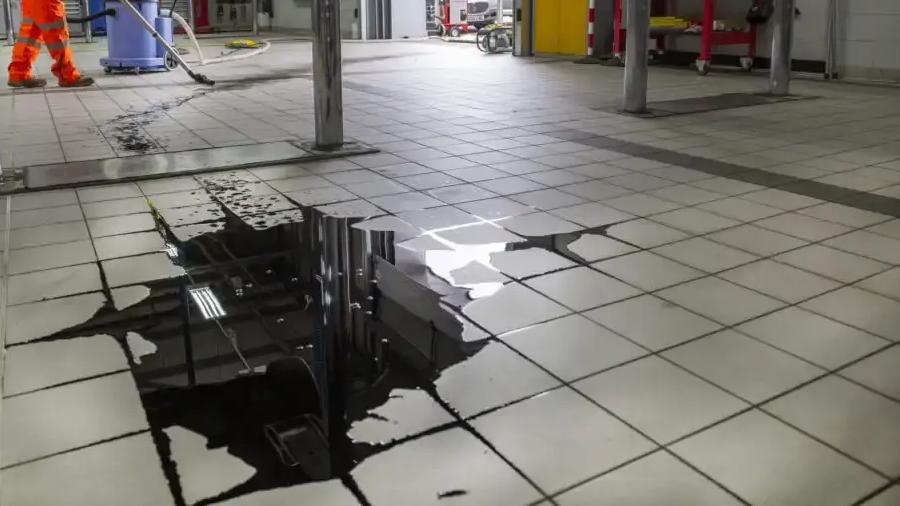
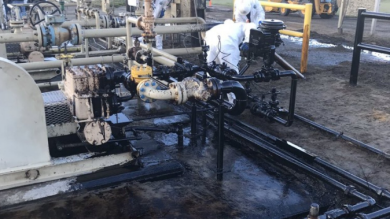
Oil spills in warehouses and industrial facilities are a common operational risk where lubricants, hydraulic oils, fuels, and machinery fluids are stored or used.
Without proper response procedures, oil spills can quickly create safety hazards, disrupt operations, and lead to environmental or regulatory issues.
This guide explains how to handle oil spills in warehouses and industrial facilities, including practical response steps and the essential spill control equipment every facility should have.
Common Causes of Oil Spills in Warehouses and Industrial Facilities
Oil spills typically occur due to:
Leaking drums, IBCs, or storage containers
Forklift and industrial vehicle oil leaks
Hydraulic hose or machinery seal failure
Improper oil transfer or refilling operations
Poor storage practices or damaged packaging
Identifying high-risk zones such as loading docks, equipment rooms, and storage aisles is critical for effective spill prevention.
Step-by-Step Oil Spill Response Procedure
Step 1: Ensure Safety and Control the Source
Before cleanup begins:
Stop the source of the leak if it is safe to do so
Isolate the affected area to prevent slips and falls
Wear appropriate personal protective equipment (PPE)
Safety should always be the first priority during any oil spill response.
Step 2: Contain the Oil Spill Quickly
Rapid containment prevents oil from spreading into walkways, drains, or sensitive equipment.
Common containment methods include:
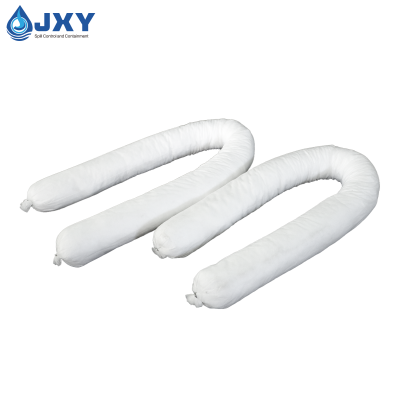
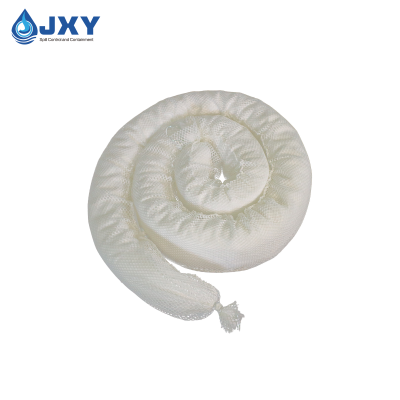
Absorbent socks placed around the spill perimeter
Oil Absorbent Boom for larger floor spills
Step 3: Absorb and Clean Up the Oil
Once contained, absorb the oil using appropriate materials:
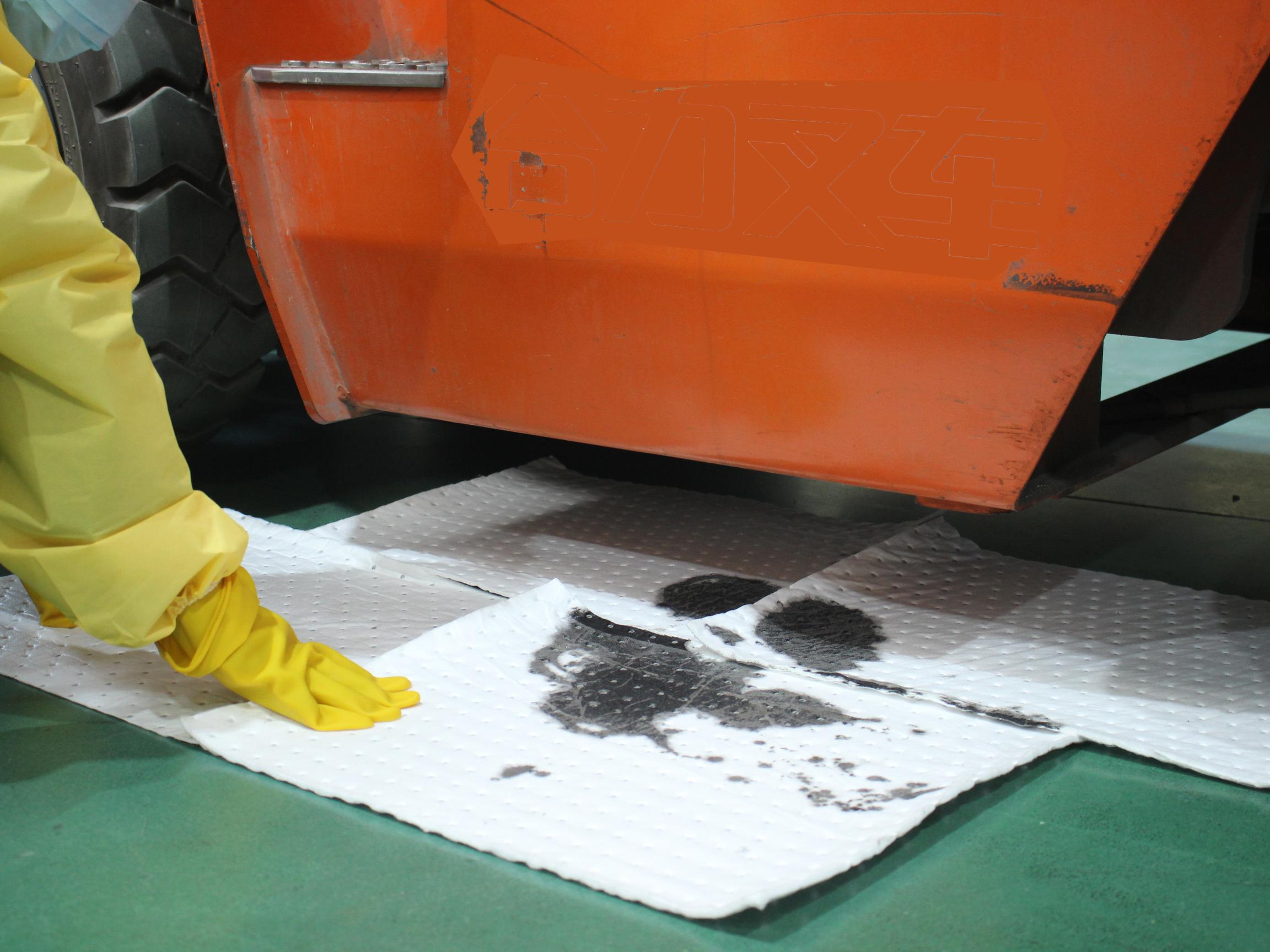
Oil-only absorbent pads for surface spills
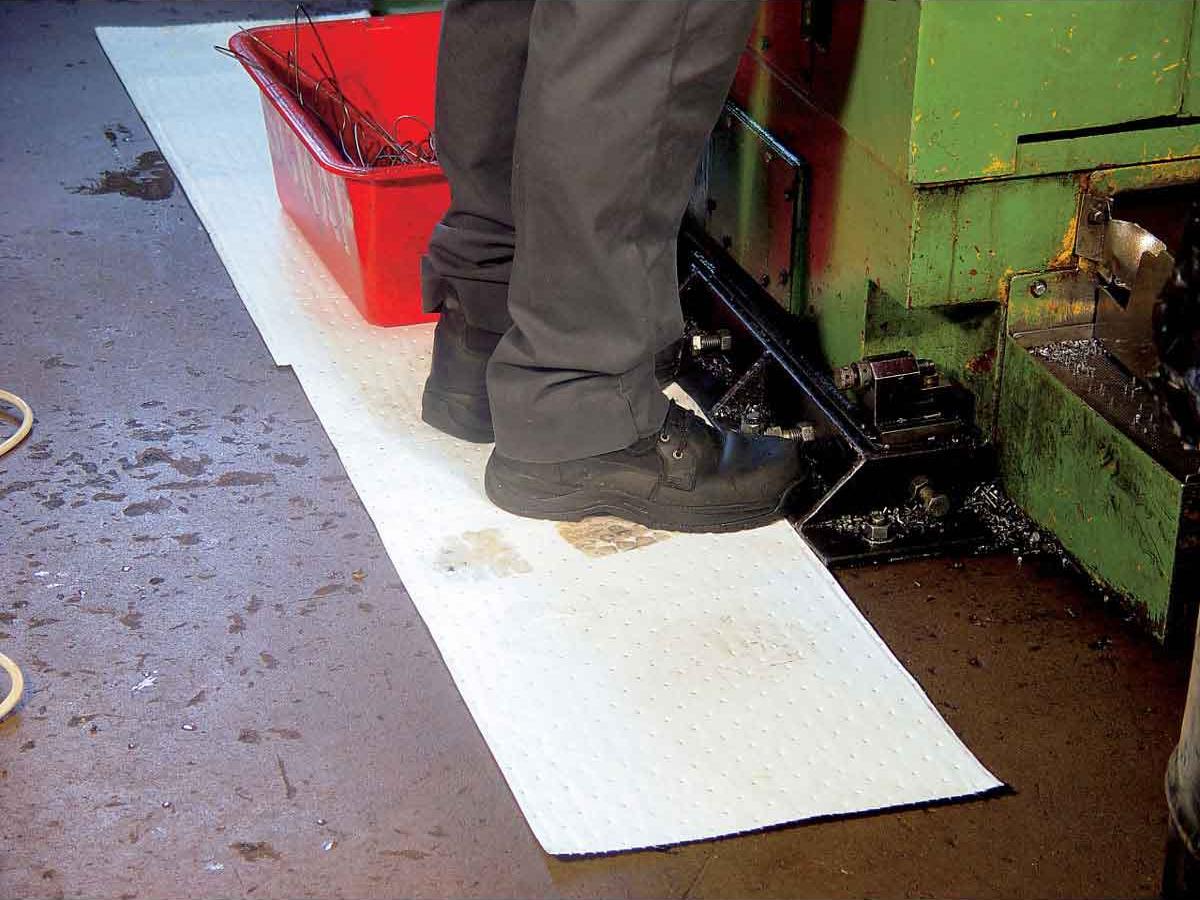
Absorbent rolls for large warehouse floor areas
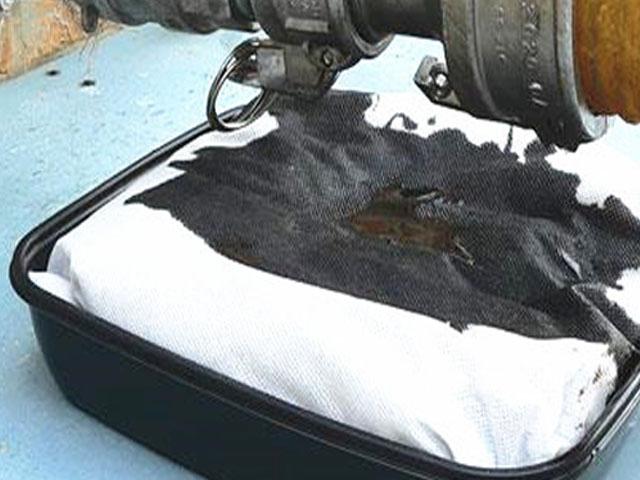
Absorbent pillows for leaks under machinery or valves
Oil-only absorbents repel water and absorb hydrocarbons efficiently, making them ideal for industrial environments.
Step 4: Collect and Dispose of Used Absorbents Properly
After cleanup:
Collect all saturated absorbents and used PPE
Place them in approved hazardous waste bags
Dispose of waste according to local regulations
Improper disposal can cause secondary contamination and compliance issues.
Step 5: Review, Record, and Prevent Future Spills
After the incident:
Inspect equipment and storage areas
Identify the root cause of the spill
Improve maintenance or handling procedures
Replenish oil spill kits and absorbents
A documented response plan improves preparedness and reduces repeat incidents.
Essential Oil Spill Equipment for Warehouses and Industrial Facilities
Every warehouse should be equipped with:
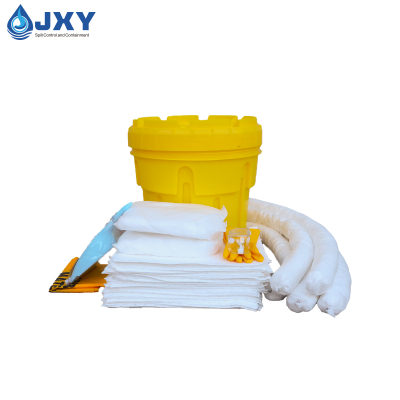
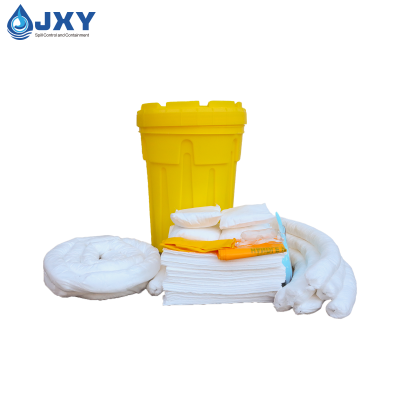
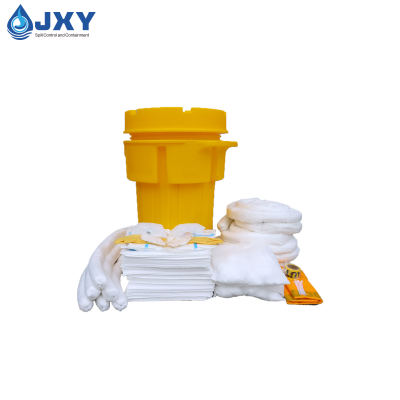
Oil spill kits (portable or wall-mounted)
Drain protection covers
Basic PPE for spill response
Having the right equipment readily available ensures faster response and lower cleanup costs.
For oil spill response challenges in production environments, you may also find our guide on Oil Spill Response Solutions for Manufacturing Plants helpful.
Why Oil Spill Preparedness Is Critical
Effective oil spill preparedness helps facilities:
Protect workers from slip and fall accidents
Minimize downtime and operational disruption
Prevent environmental contamination
Maintain compliance with safety and environmental regulations
Prepared facilities respond faster and recover more efficiently from spill incidents.
Get Professional Oil Spill Solutions for Your Facility
If your warehouse or industrial facility regularly handles oil, having a reliable spill response solution is essential.
Contact us today to learn more about our oil spill absorbents, spill kits, and containment equipment designed for warehouse and industrial applications.
Be prepared for oil spills — before they happen.


